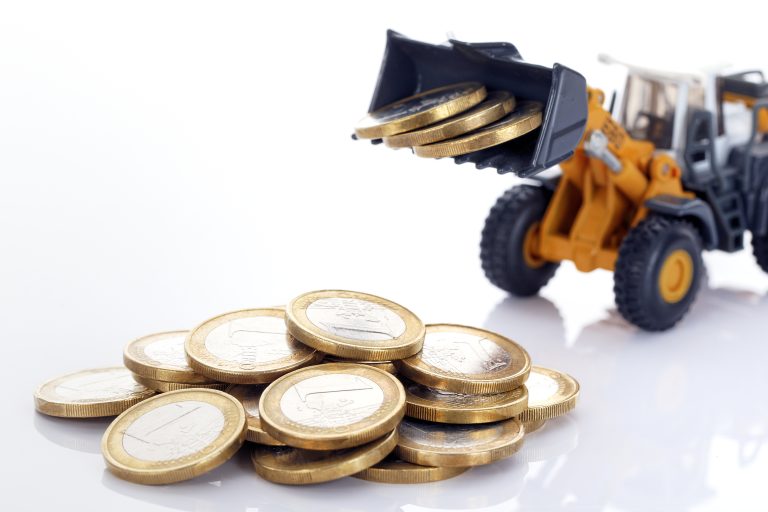
How Equipment Leasing Actually Works
For many business owners, equipment leasing sounds helpful—but also confusing. The process is often assumed to be complicated, paperwork-heavy, or similar to dealing with traditional lenders. In reality, equipment leasing is designed to be practical, straightforward, and business-focused, especially for companies that rely on equipment to get work done every day.
This guide breaks down how equipment leasing actually works, in plain language, and why it has become a popular choice for businesses across Canada.
What Equipment Leasing Really Is
At its core, equipment leasing allows your business to use the equipment you need without paying the full cost upfront. Instead of tying up large amounts of cash, you spread the cost over time through predictable payments.
You choose the equipment. The leasing company helps finance it. Your business gets to work.
This model is widely used by companies that depend on vehicles, machinery, tools, or specialized equipment to operate efficiently.
Step 1: Identify the Equipment You Need
Leasing starts with your business—not the paperwork.
You already know what equipment you need to keep projects moving, whether it’s:
- Work vehicles
- Construction or industrial equipment
- Specialized tools or machinery
The leasing process is built around supporting real operational needs, not forcing you into predefined packages.
Step 2: Structure a Payment Plan That Fits Your Business
Instead of a one-size-fits-all approach, equipment leasing focuses on cash flow.
Payment plans are typically structured around:
- how often your business generates revenue
- seasonal or project-based work cycles
- short- or long-term usage needs
For many businesses, especially those operating in active regions like Ontario, predictable payments make it easier to plan jobs, payroll, and operating expenses without financial strain.
Step 3: Get the Equipment and Put It to Work
Once the lease is approved and structured, the equipment is delivered—or picked up—so your team can start using it immediately.
There’s no need to delay projects or turn down work while saving for a large purchase. Leasing helps businesses stay operational and competitive.
What Happens at the End of a Lease?
This is one of the most misunderstood parts of equipment leasing.
Depending on the lease structure, businesses may:
- Continue leasing
- Upgrade to newer equipment
- Return it at the end of the term
- Purchase the equipment
The key advantage is choice. Your business isn’t locked into a single outcome.
Why Equipment Leasing Appeals to Hands-On Businesses
For companies built around field work—not office desks—leasing is about getting things done.
Businesses across construction, transportation, trades, and services often choose leasing because it:
- preserves working capital
- reduces large upfront expenses
- supports growth without overextending finances
Across key Canadian business regions, including Ontario, leasing has become a practical solution for companies that value flexibility over ownership.
Is Equipment Leasing Complicated?
It doesn’t have to be.
The right leasing partner focuses on:
- simple processes
- clear communication
- solutions that make sense for how your business actually operates
When structured properly, equipment leasing is less about financing—and more about keeping your business moving.
The Bottom Line
Equipment leasing works best when it aligns with how your business earns money and manages cash flow.
For many Canadian businesses, especially the ones operating in fast-moving markets, leasing provides a straightforward way to access essential equipment without unnecessary complexity.
It’s not about paperwork. It’s about productivity.
This article is for general informational purposes only and does not constitute financial or tax advice.